
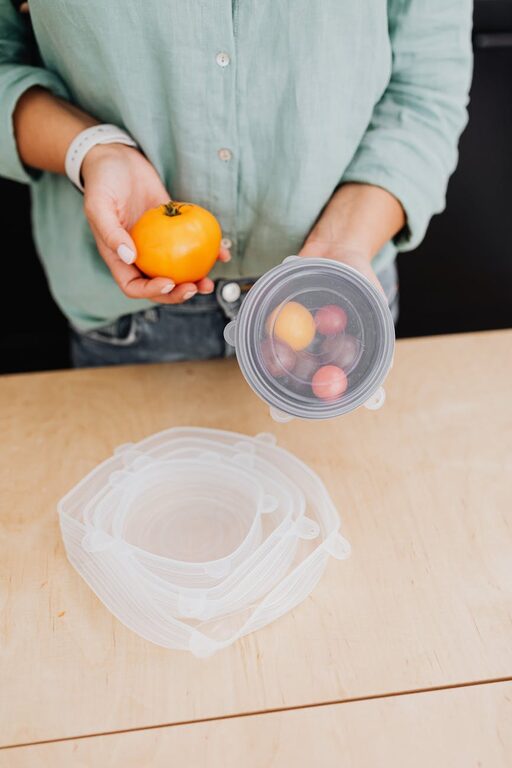
Reducing food waste at home is a smart way to save money, lower your environmental impact, and make the most of the food you buy. Every year, millions of tons of food end up in landfills, wasting resources and contributing to greenhouse gas emissions. The good news is that with a few simple changes to your routine, you can significantly cut down on wasted food.
In this post, we’ll explore practical and easy-to-implement strategies to help you reduce food waste and promote a more sustainable lifestyle.
Understand the Importance of Reducing Food Waste
Before diving into tips, it’s helpful to understand why reducing food waste matters. Food production uses water, energy, and land, so when food is thrown away, these resources are wasted too. Additionally, rotting food in landfills generates methane, a potent greenhouse gas.
By reducing waste at home, you help conserve resources, decrease pollution, and stretch your grocery budget further.
Plan Your Meals Thoughtfully
One of the best ways to minimize food waste is by planning your meals before shopping. Here’s how:
Make a Weekly Meal Plan
– Plan breakfasts, lunches, dinners, and snacks.
– Check recipes and ingredients you already have.
– Match your plan with your family’s schedule and appetite.
Create a Detailed Shopping List
– Write down only what you need for your planned meals.
– Avoid impulse buys that may sit unused and spoil.
Stick to Your List
During shopping, try to buy only what you planned. This helps avoid accumulating excess food that might end up wasted.
Shop Smart and Buy Wisely
Smarter shopping habits make a big difference:
– Choose Loose Produce: Buying loose fruits and vegetables lets you select only what you will use.
– Buy Smaller Quantities: If you don’t use certain items quickly, opt for smaller packages.
– Check Expiration Dates: Pick items with later expiration to give yourself more time.
– Opt for Frozen or Canned Alternatives: These can last longer and reduce waste.
Store Food Properly
Proper storage keeps food fresher and extends its life.
Refrigerate and Freeze Correctly
– Keep your fridge at or below 40°F (4°C).
– Store raw meats separately to avoid contamination.
– Use airtight containers or resealable bags.
Use Clear Containers
Transparent storage helps you see what you have, making it easier to use food before it spoils.
Keep Produce Fresh
– Some fruits and vegetables emit gases that speed ripening (like apples and bananas). Store these separately.
– Wrap leafy greens in paper towels to absorb moisture.
Practice Smart Cooking and Portion Control
Cooking and serving the right portions can prevent leftovers from going to waste.
– Serve smaller portions to avoid uneaten food on plates.
– Adjust recipes to your household size.
– Use leftovers creatively for new meals (e.g., soups, stir-fries, or wraps).
Monitor and Use Leftovers
Leftovers don’t have to be boring or wasted.
Track Your Leftovers
Keep leftovers visible in your fridge and plan to use them within a couple of days.
Creative Leftover Ideas
– Transform roasted vegetables or meats into salads.
– Use extra bread to make croutons or bread pudding.
– Blend overripe fruits into smoothies.
Keep a Food Waste Log
Tracking what you throw away can help identify patterns.
– Use a notebook or app to note leftover amounts.
– Reflect on which foods waste most and adjust buying habits.
Compost Food Scraps
Even with best efforts, some food scraps are unavoidable.
– Compost vegetable peels, coffee grounds, and eggshells.
– Composting reduces landfill waste and creates nutrient-rich soil for gardening.
Educate Your Household
Make reducing food waste a team effort.
– Share these tips with family members.
– Encourage mindful eating and proper storage.
– Involve everyone in meal planning and composting.
Final Thoughts
Reducing food waste at home is achievable through planning, smart shopping, proper storage, and creative cooking. By adopting these simple strategies, you not only save money but also contribute to a healthier planet. Start small, stay consistent, and enjoy the positive impact of less wasted food in your home!
—
Ready to start reducing food waste? Try incorporating one or two tips today and watch the difference it makes over time!